
Religion in Horror
The cross has some elite competition

Religion is tailor-made for horror. It already brings in supernatural beings and eternal punishment. Horror thrives on scale: enemies bigger than us and forces we can’t control. God and the Devil, heaven and hell, salvation and damnation.
Around the world, religious stories are filled with monsters, moral questions, and supernatural forces begging to be reimagined for the screen. These stories tap into the deepest cultural fears and beliefs of entire communities, offering a fresh look for the genre. It’s an easy translation to the genre, but let’s start with Christianity.
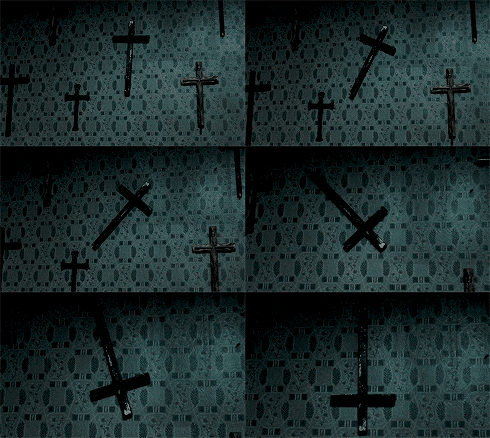
Christian Horror
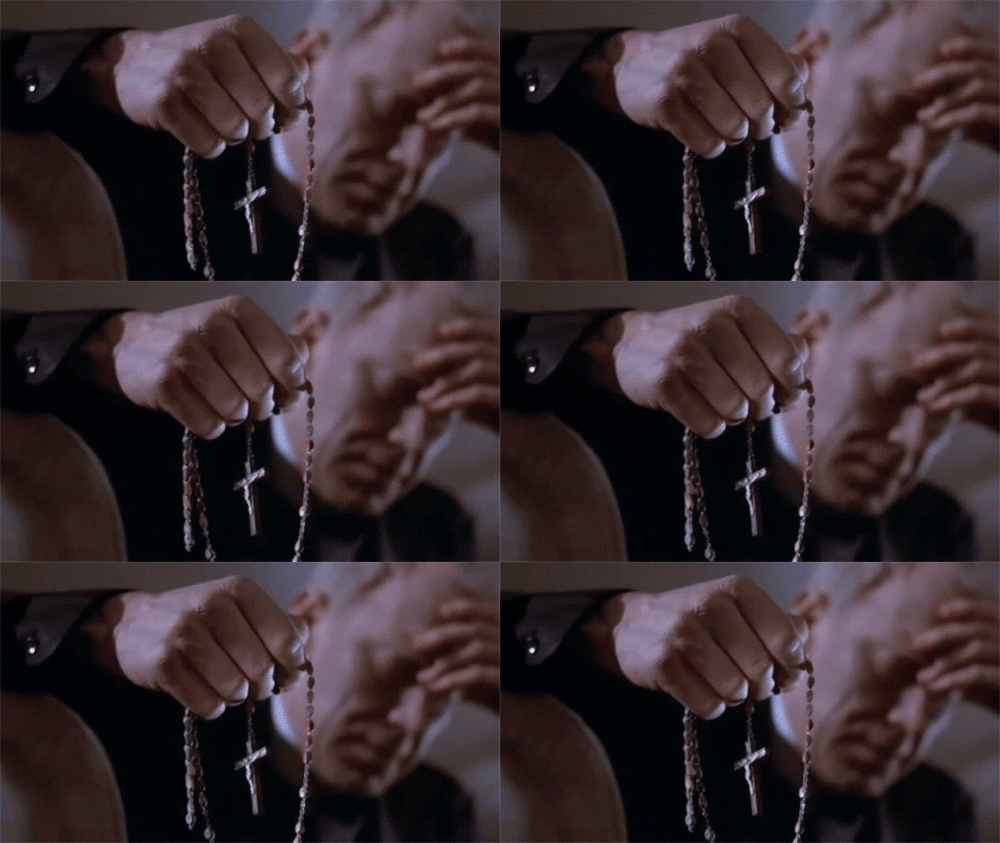
Almost every possession movie is basically a Christian superhero story. Before you call me crazy, hear me out. I first heard this theory on NPR’s Pop Culture Happy Hour when they were reviewing The Conjuring: The Last Rites. As soon as they said it, it hit me like a freight train. Suddenly, all those horror tropes clicked into place. It’s a formula Hollywood has perfected, starting with The Exorcist (1973). Our protagonist is a priest who uses holy water, prayer, and the crucifix as weapons in the war against evil.
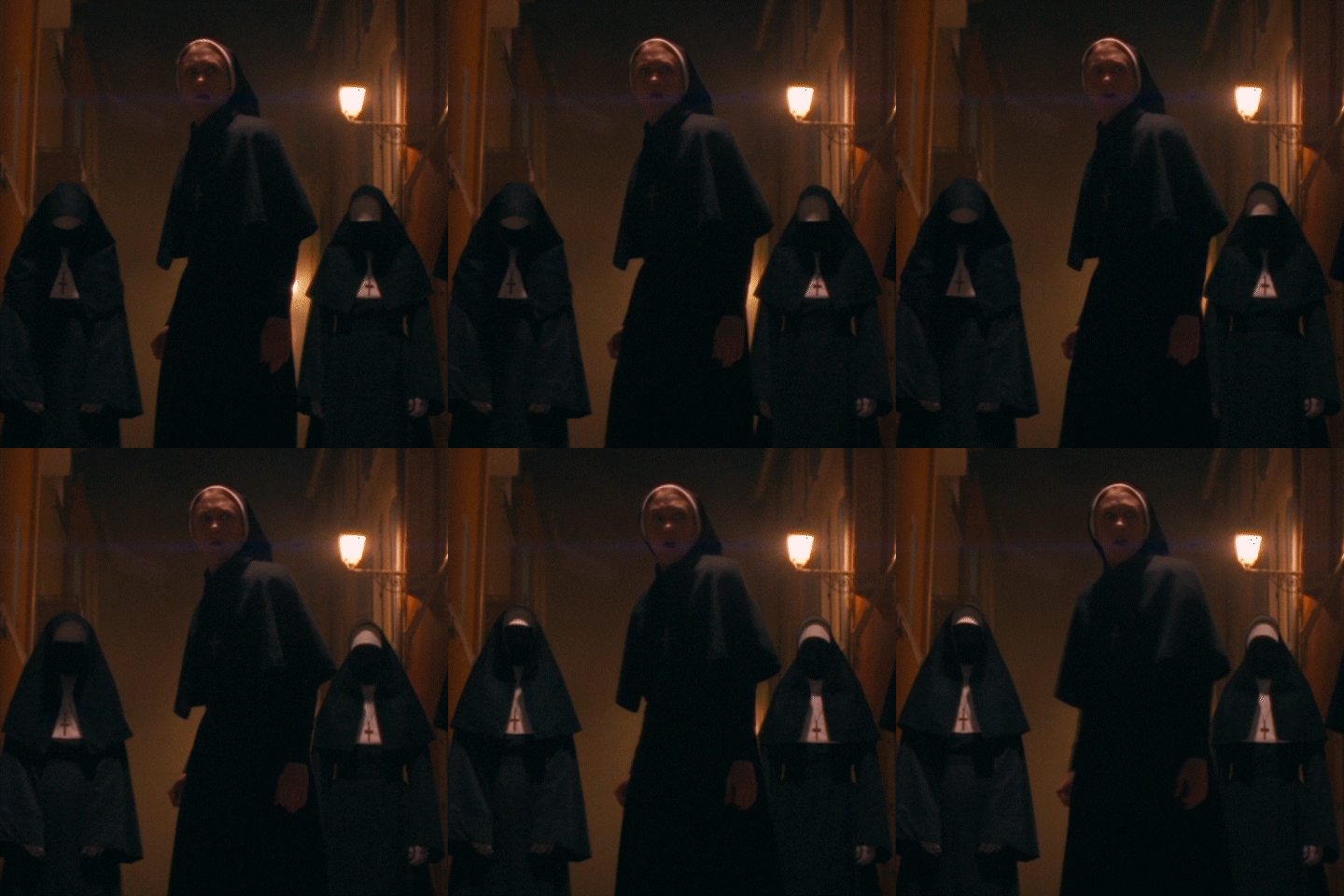
It goes even deeper. The possession of people in this and in other modern films like The Nun (2018) is almost always framed as a symptom of “lapsed faith.” The moral isn’t just that evil is real, it’s that evil preys on the non-devout.
Together, it creates a world where faith is more than imagery; it’s a behavioral rulebook dressed up as horror. If you had prayed harder, maybe this wouldn’t have happened. Still, here’s my question: why stop at Christianity? Let’s see some other options.
Jewish Horror
The best-known Jewish horror figure is the Golem of Prague: which is a clay giant brought to life to protect persecuted Jews.
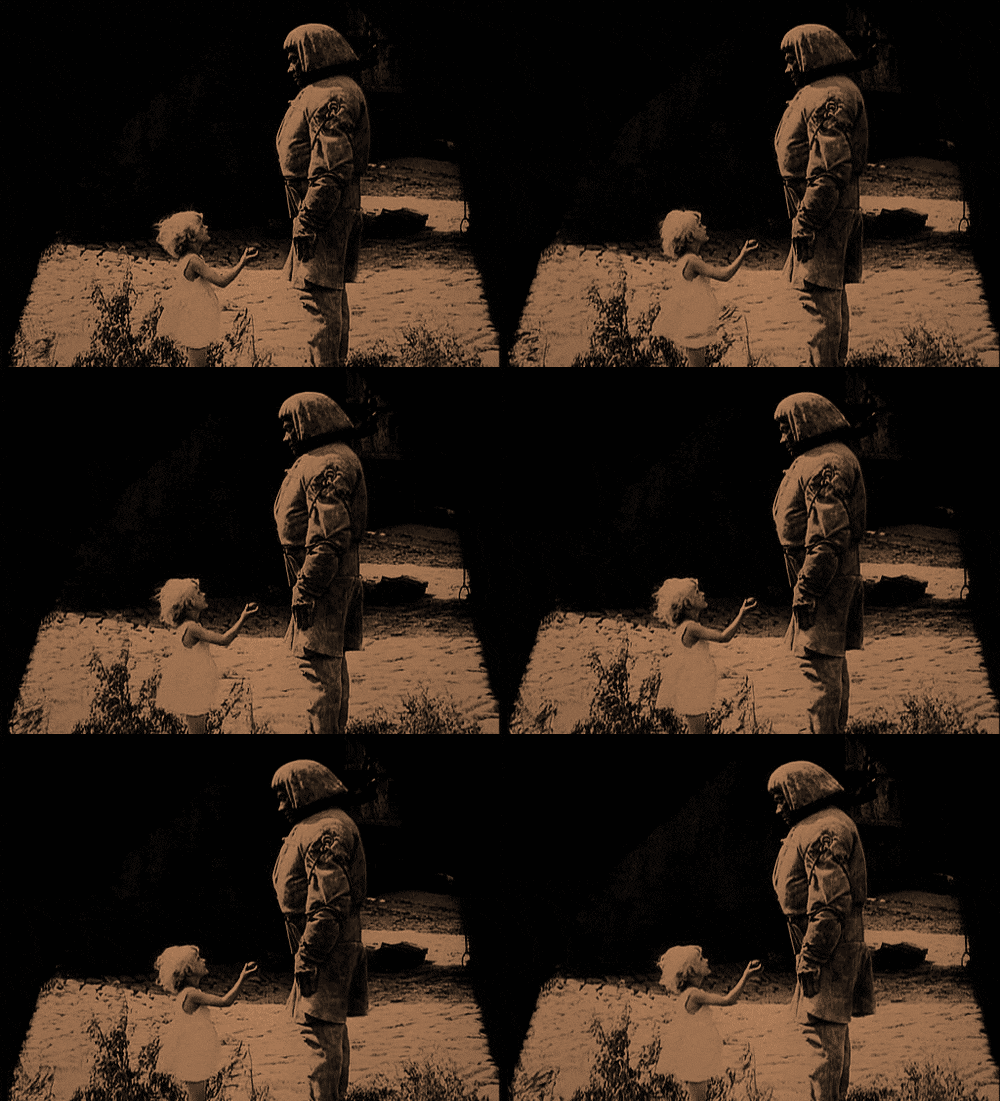
Early 20th-century silent films created the visual of the Golem in their adaptations, which in turn directly influenced Universal’s later design for the original Frankenstein adaptation. The story’s themes are rich: what happens when protection becomes destruction? When your savior becomes your monster?
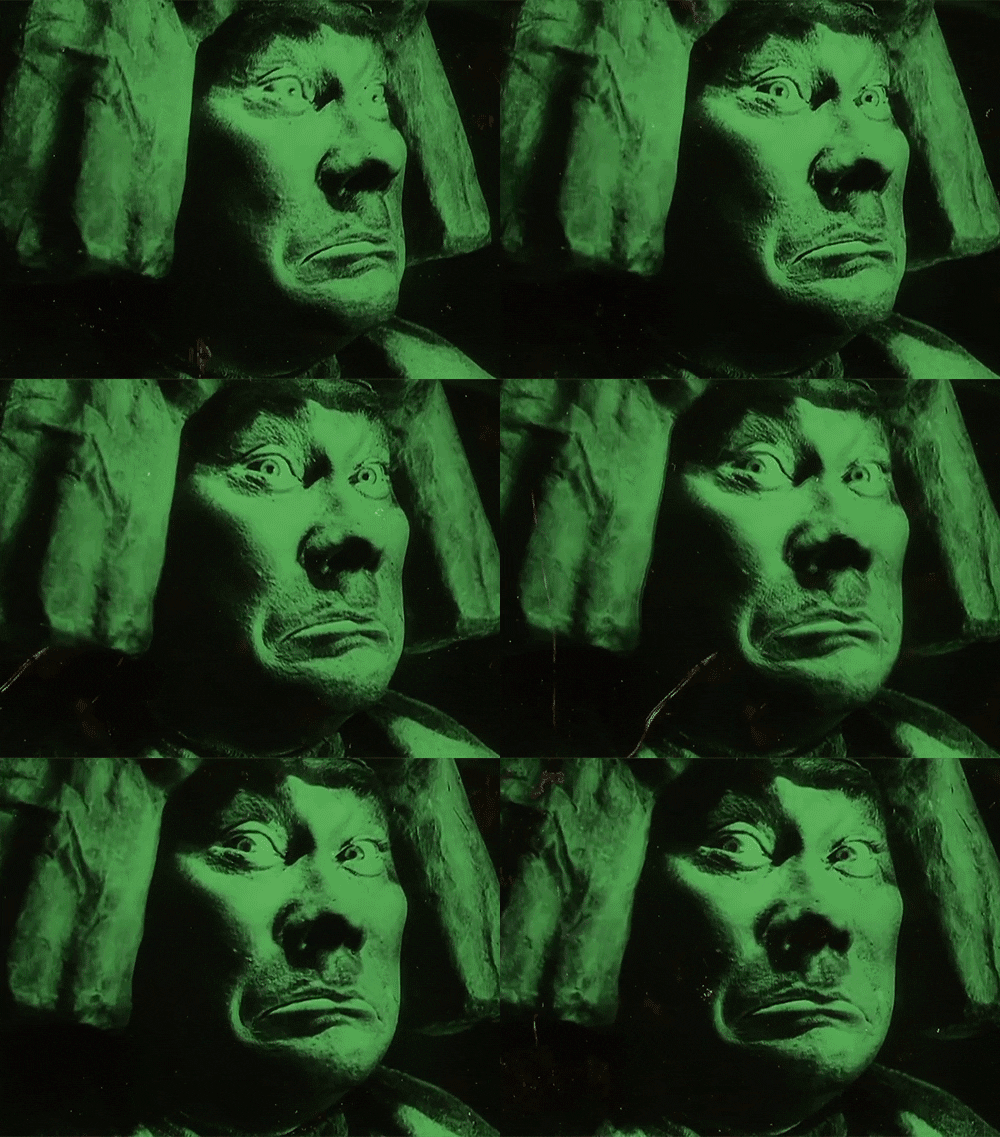
Most film versions of the Golem are relics of cinema history, but imagine what a modern Jewish horror movie could do with that myth today. The clay giant who once defended the helpless could easily be reimagined as a commentary on vengeance and power.
Islamic Horror
For most Western audiences, the “djinn” has been morphed into the genie of Disney’s Aladdin. Wish-granting, fun-loving, Robin Williams.
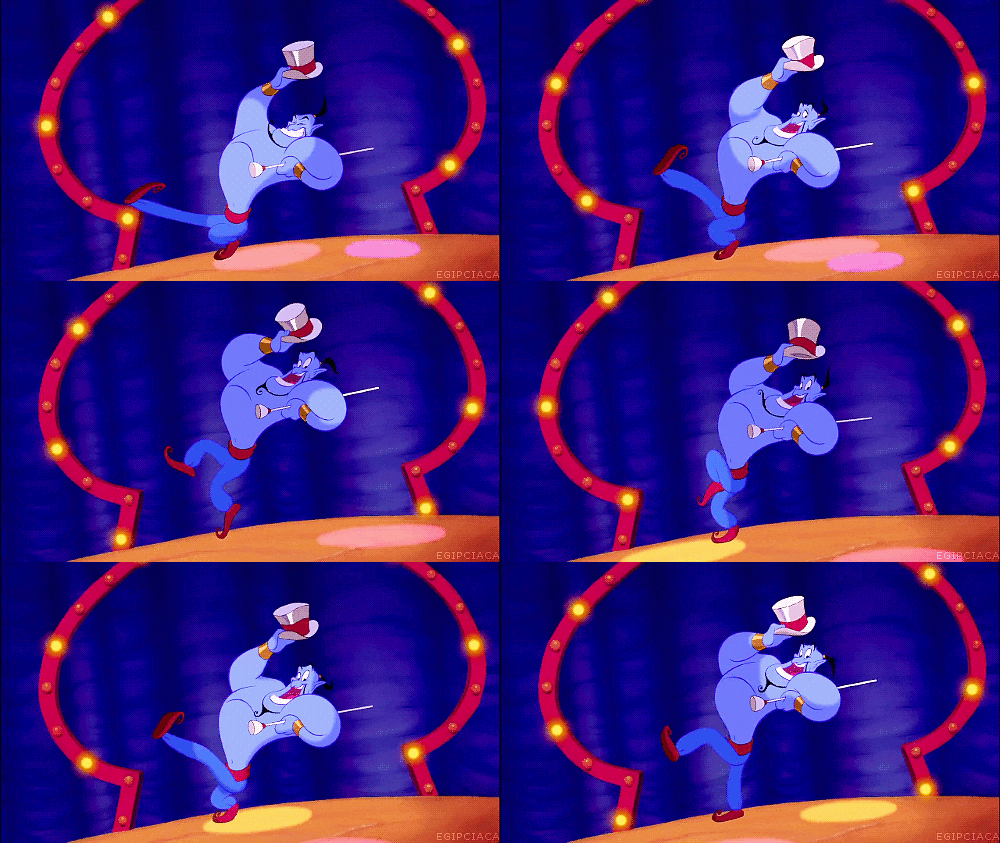
But in the original Islamic lore, djinn are far more complex: sometimes tricksters, sometimes malicious, always supernatural. Their moral ambivalence gives filmmakers enormous narrative flexibility. Djinn don’t exist in the vacuum of “careful what you wish for” fairy tales; they belong to a universe where human and supernatural worlds overlap, giving them a complexity Hollywood usually strips away.
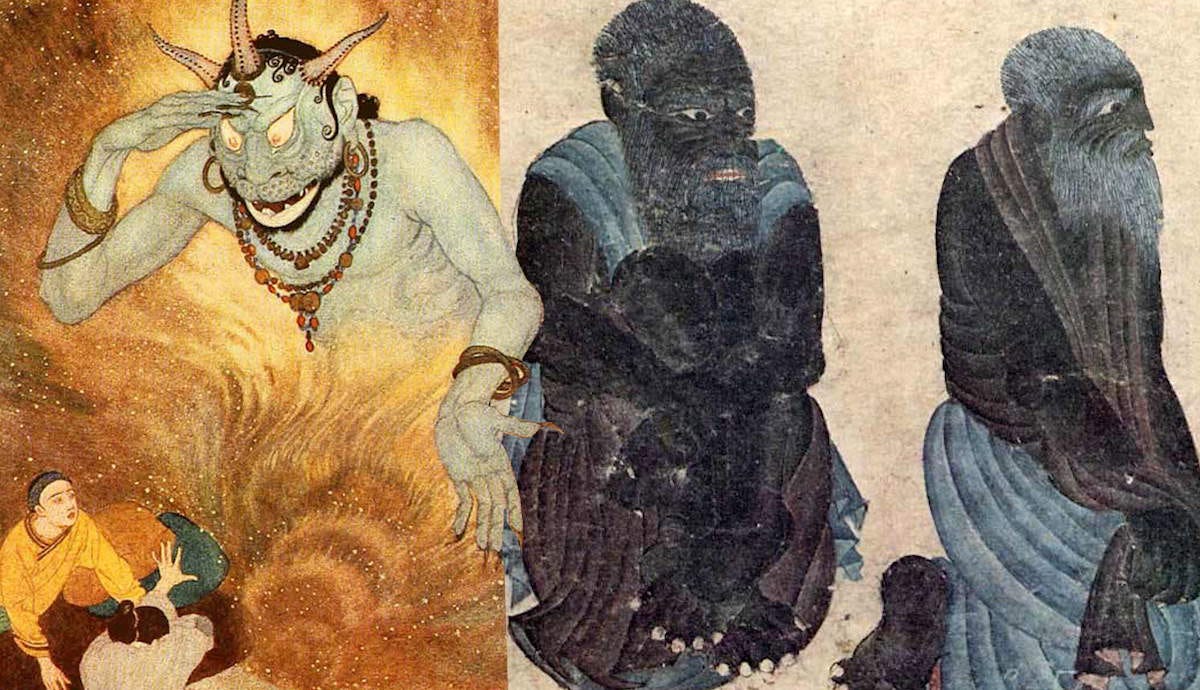
Turkish films have put out some great djinn horror like the Dabbe franchise, but Hollywood barely touches it. I’m dying to see a djinn story told with respect for that tradition, something that does more than just turn it into another basic fable.
Buddhist Horror
One of my favorite “horror-adjacent” stories comes from Chinese mythology: Sun Wukong, the Monkey King.
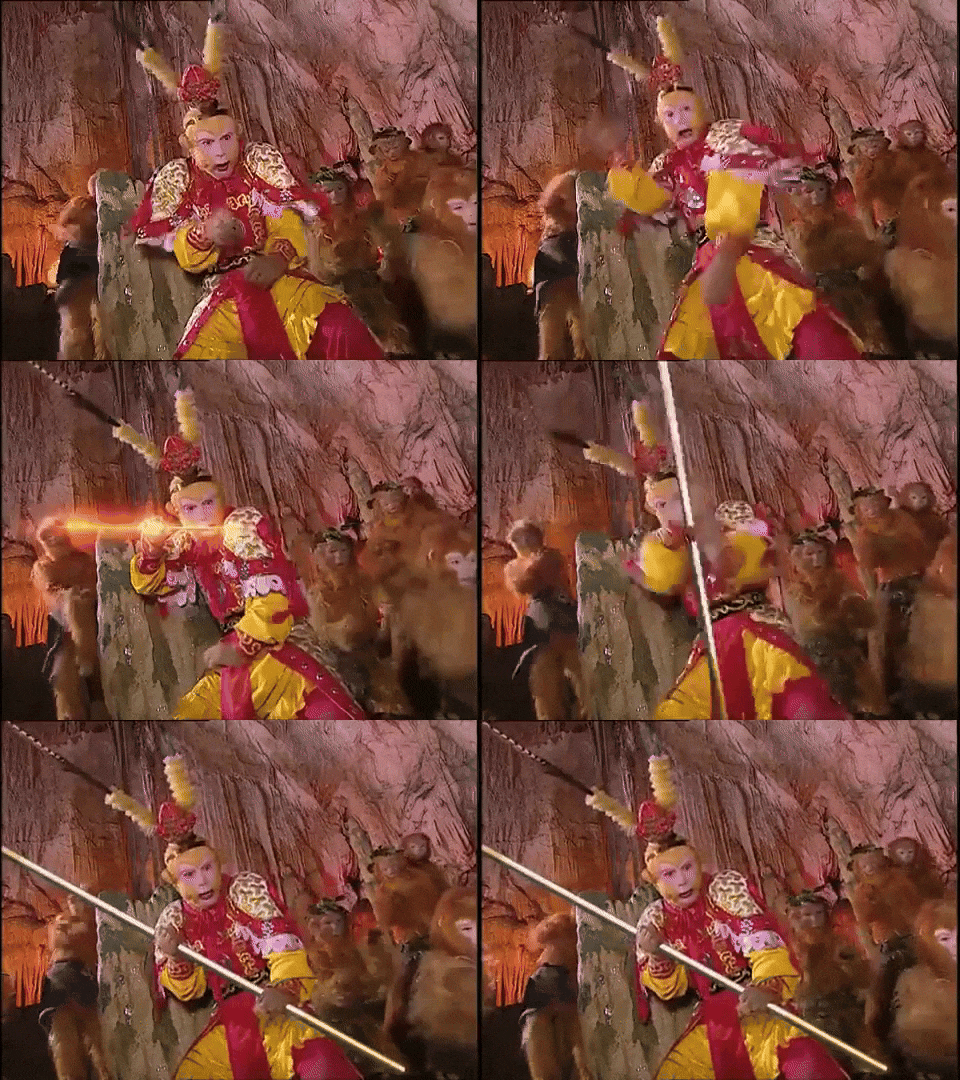
His story in Journey to the West is usually told as a fantasy adventure, but it’s crawling with demons, monsters, and nightmare creatures straight out of the Silent Hill franchise. Playing the video game Black Myth: Wukong (2024) felt like wandering through a horror anthology in disguise, with terrifying enemies lurking around every corner.
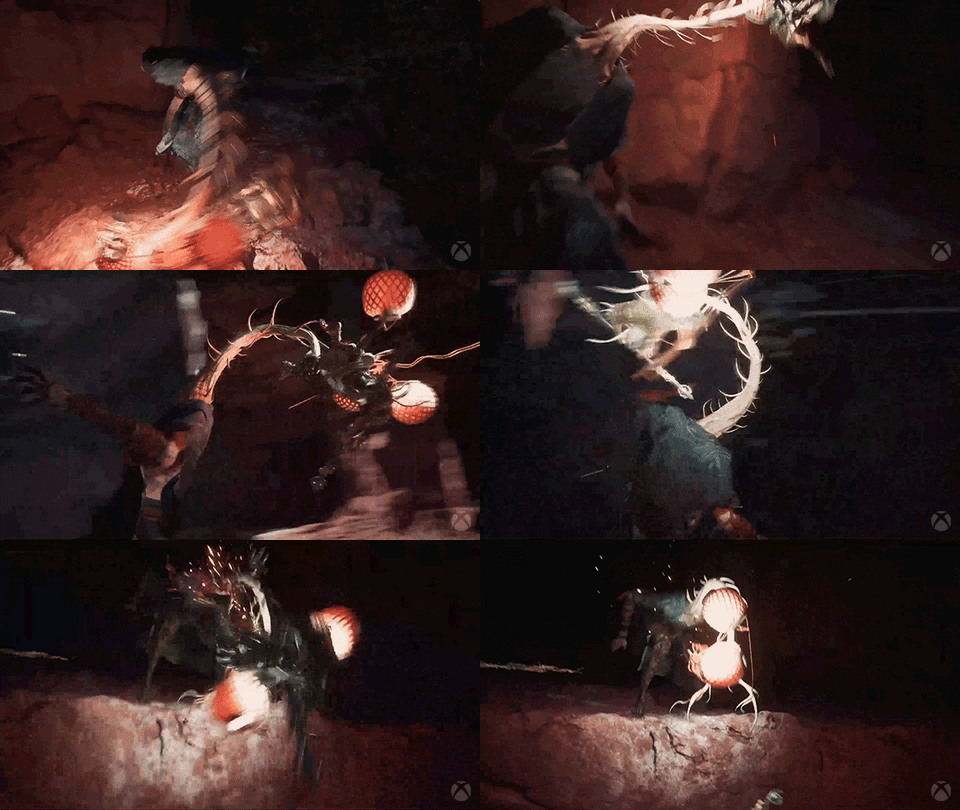
What excites me about this idea is that it flips the usual horror playbook: instead of inventing mythology to justify a scary premise, you start with a centuries-old epic and spotlight its most terrifying elements. Play your cards right and you’ve got a full-fledged Buddhist-inspired horror franchise.
Folk Religion Horror
Folk horror has carved out a thriving niche within the genre, often through stories about isolated communities with their own rituals and belief systems. Films like Apostle (2018) and Midsommar (2019) show how flexible this genre can be.
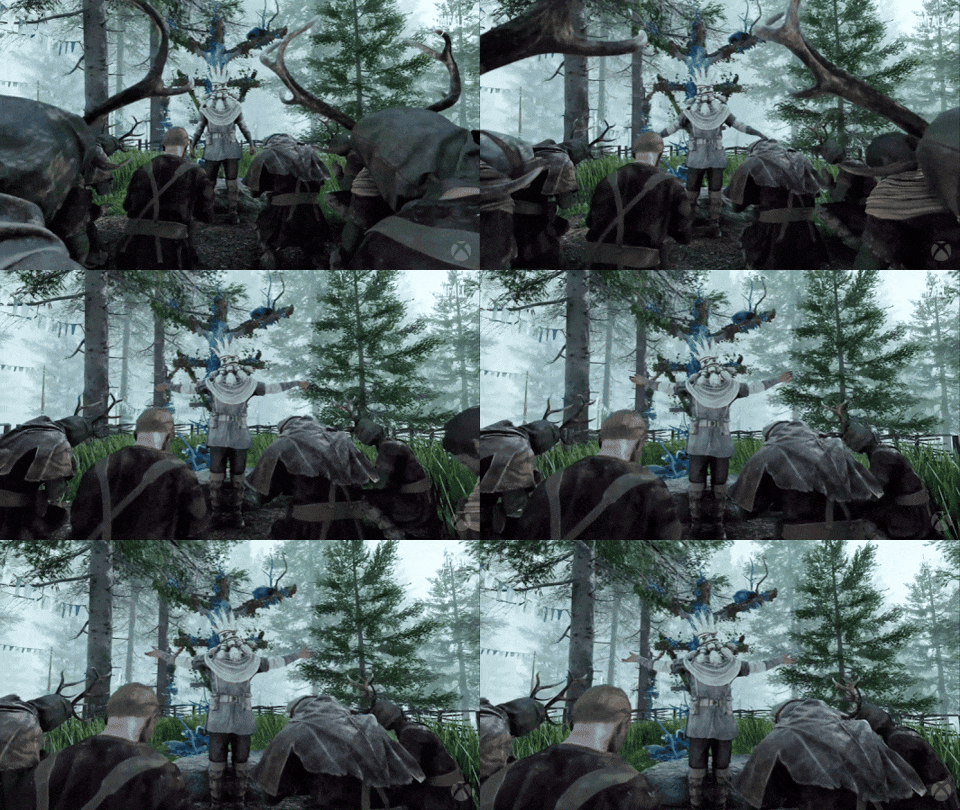
Some lean into classic horror dynamics like nighttime rituals, mysterious strangers, and friendly locals who turn out to be allies. Others subvert expectations by staging their most horrifying moments in broad daylight, or turning that “one nice villager” into a devastating betrayal.
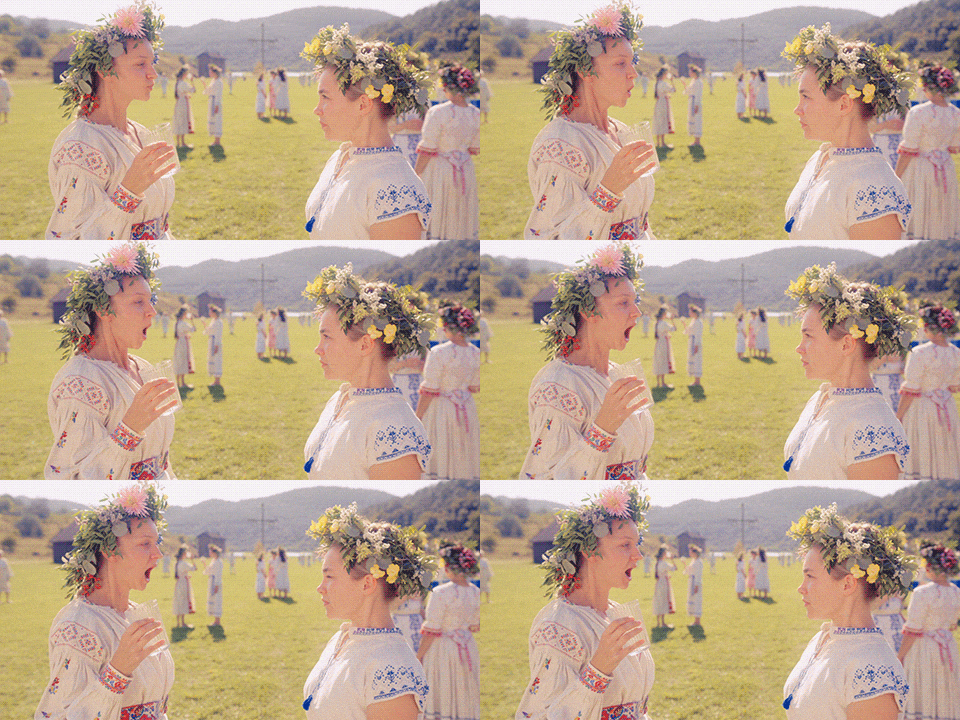
These stories often invent religions or draw loosely from “old gods” rather than adapting established traditions, which gives filmmakers creative freedom and sidesteps potential cultural complications. Folk horror works because it plays on a common fear of being the outsider in a community whose rules you don’t understand.
Let’s Expand the Horror Canon
Horror is about awe, terror, and the feeling that something bigger than you is staring back. Religion is almost the exact same thing. No wonder they overlap so seamlessly. Around the world, filmmakers have already explored a wide spectrum of religious horror. But in Hollywood, studios tend to stick to what works: Christian possession stories and folk horror because they’re proven moneymakers. (The Conjuring is the most profitable horror franchise ever, grossing over $2 billion worldwide.)
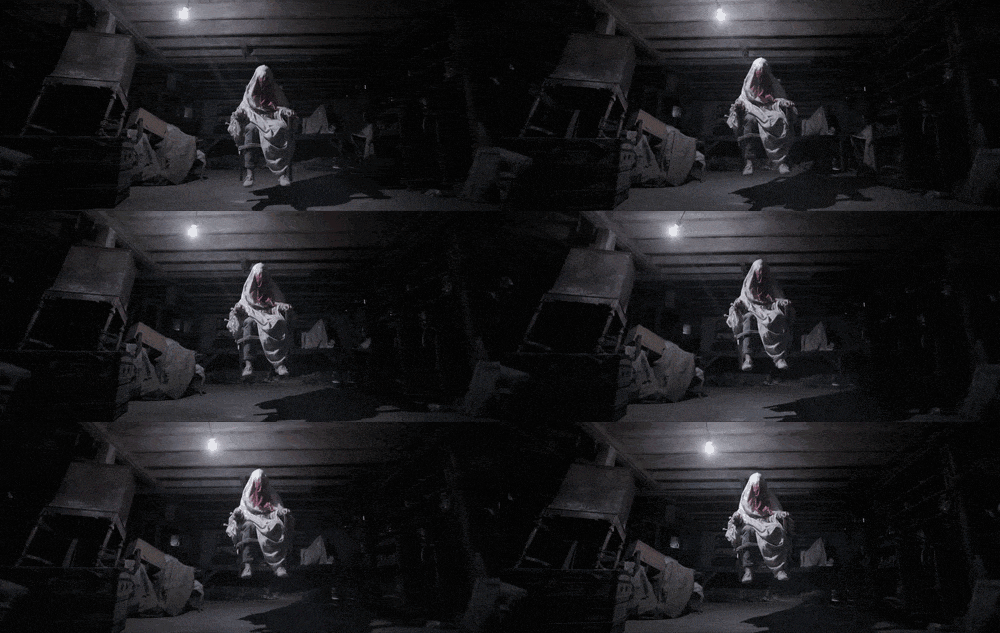
Still, imagine what could happen if they broadened their scope. Picture exorcisms sharing the stage with Golems, djinn, and Sun Wukong’s monsters. Each tradition offers its own stakes, mythology, and depth of fear.
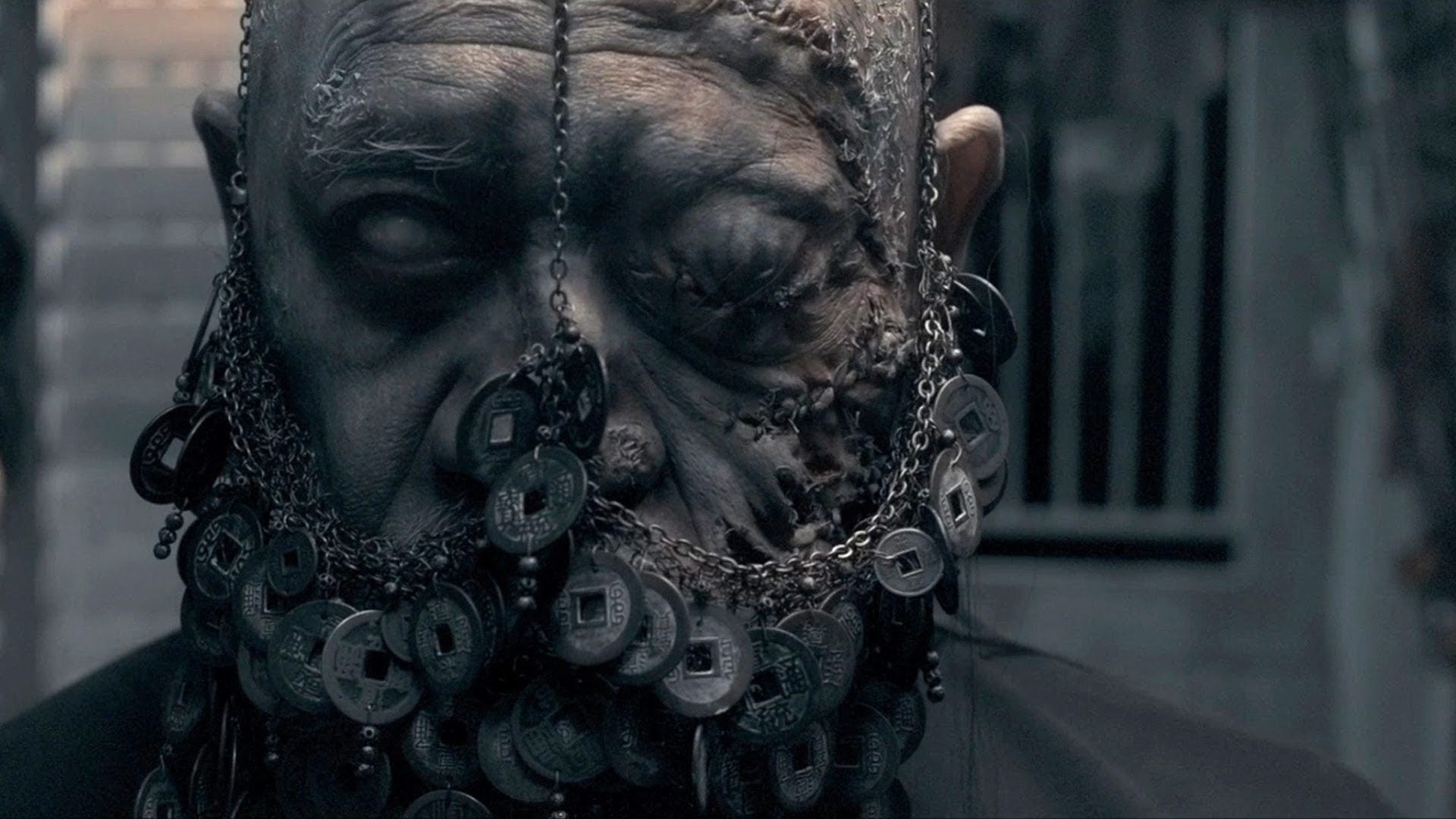
I would love to see a horror future where films tap into these various religions and maybe even teach us a thing or two about different cultures while they’re at it. The world’s religions offer a horror goldmine. It’s time Hollywood started digging.
Great article! I'm curious if there are any Hindu-inspired horror films. Some of those deities are frightening!